Brown butter: the five-minute upgrade behind our cinnamon rolls
Butter, a pan and your nose. When the milk solids toast, the flavour goes nutty and caramel — and it transforms dough and filling alike.
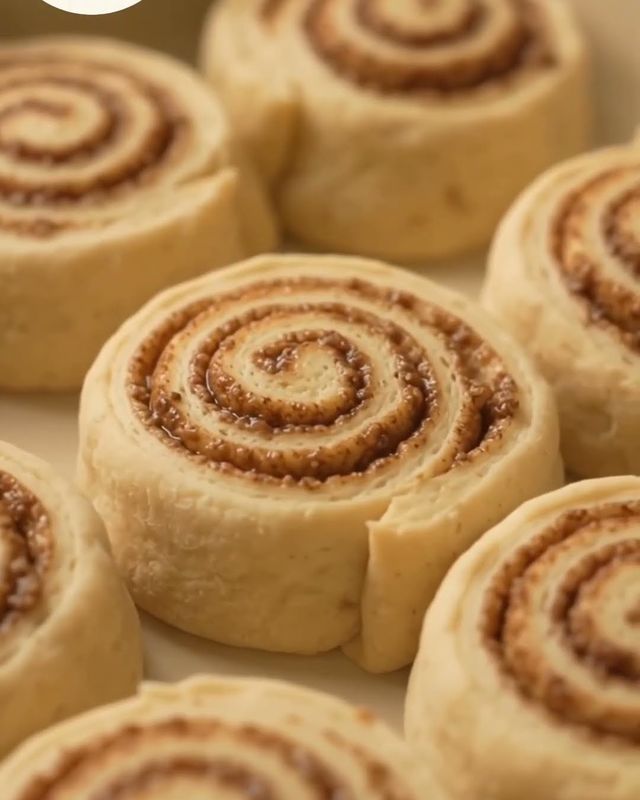
Our cinnamon rolls use browned butter in both the dough and the filling. It costs five minutes and it is the single biggest reason they taste like a bakery's.
What browning does
Butter is about 80 % fat, 16 % water and a few percent milk solids — proteins and sugars. Heat it and the water boils off first (that's the foaming). Once the water is gone the temperature can climb past 100 °C, and the milk solids toast in the same Maillard reaction that browns bread crust and seared chicken. The result is a clear amber fat with dark flecks and a nutty, caramel smell. In French kitchens it's beurre noisette — hazelnut butter — for the aroma.
How to do it
- Use a light-coloured pan so you can see the colour change.
- Medium heat. Melt, then keep going through the foam, swirling now and then.
- Watch for the foam to quieten and golden specks to appear at the bottom. Smell it: when it's nutty, it's done — about 4–6 minutes.
- Pour it into a bowl immediately, flecks included. It keeps cooking in the pan.
Using it in dough
Let it cool until just warm before it meets the yeast — above about 45 °C it will kill it. Because browning removes the water, browned butter makes dough slightly richer and softer for the same weight. In the filling it deepens the cinnamon-sugar into something closer to toffee.
Don't stop at rolls
Brown the butter for chocolate chip cookies (chill the dough after, as usual), stir it into mashed potatoes, or pour it over pasta with sage. Once you can smell the moment it's ready, you'll use it everywhere.
Make it: Easy Cinnamon Rolls.