Why golden chicken tastes better: the Maillard reaction, explained simply
That brown crust isn't just colour. It's hundreds of new flavour compounds — and you only get them if the pan is hot and the chicken is dry.
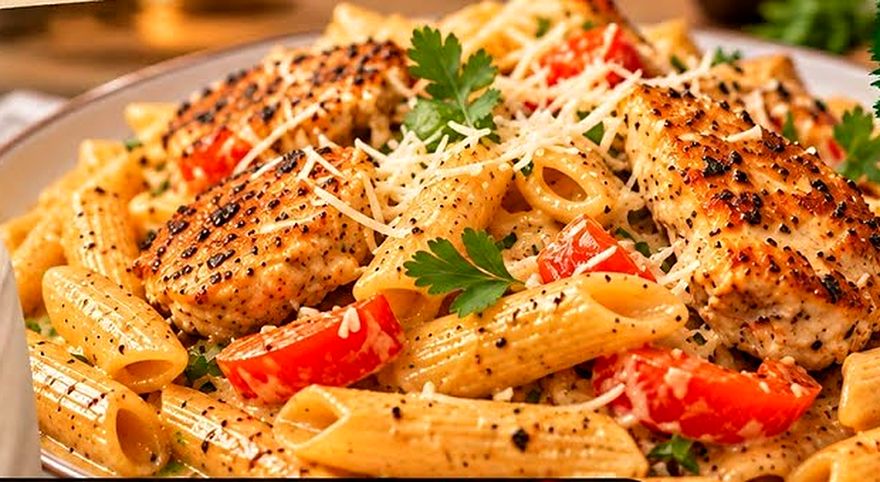
When the seasoned chicken hits the pan in our Cajun pasta, it doesn't just cook. Above roughly 140 °C the amino acids in the meat and the sugars on its surface start reacting with each other, producing the browned crust and the deep, savoury, slightly nutty smell. That chain of reactions is called the Maillard reaction, and it's the difference between chicken that tastes of chicken and chicken that tastes of dinner.
Three conditions it needs
- A dry surface. Water can't go above 100 °C, so a wet piece of chicken steams itself until the moisture is gone — and by then the inside is overcooked. Pat it dry with paper before seasoning.
- Real heat. Preheat the pan, then the oil, until it shimmers. Medium-high, not medium.
- Space. Crowd the pan and the temperature drops, moisture pools, and you're back to steaming. Cook in two batches if you have to.
Why Cajun seasoning browns so well
Paprika, garlic powder and onion powder all contain sugars, and smoked paprika brings its own roasted notes. Dusted onto a dry surface, they caramelise alongside the meat, which is why the crust on Cajun chicken is darker and more fragrant than plain salt-and-pepper chicken. It also means it can go from golden to bitter quickly: sear 2–3 minutes a side and no more, then finish the cooking in the sauce.
The "don't move it" rule
Once the chicken is down, leave it. The first 2–3 minutes are when the crust forms and the meat releases itself from the pan; pull it early and it tears. When it lifts easily, it's ready to turn.
Safe and juicy
Chicken is done at 74 °C (165 °F) in the thickest part. Because the pieces in the pasta recipe are cut into bite-size chunks, they finish in the sauce in a few minutes — so sear for colour, not for doneness.
Watch it: Creamy Cajun Chicken Pasta.