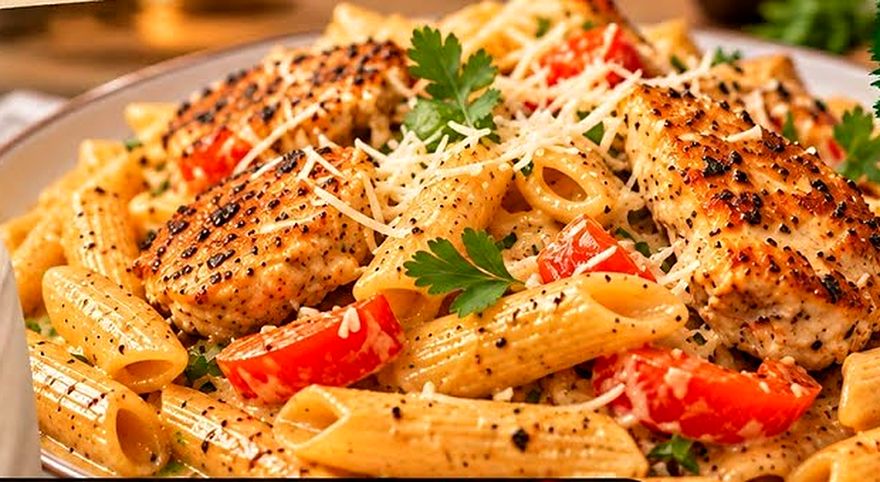
Cajun vs. Creole: what's actually in the seasoning, and where it comes from
Both come from Louisiana and both are red. One is rural, peppery and bold; the other is city-born, herby and tomato-friendly.
Cajun seasoning is the backbone of our chicken pasta, and it gets confused with Creole seasoning constantly. They're cousins, not twins.
What's in a Cajun blend
The core is paprika (for colour and sweetness), cayenne (for heat), garlic powder, onion powder and black pepper, with salt. Some blends add dried thyme or oregano, but the character comes from pepper — cayenne and black — which is why it tastes bold and earthy rather than herbal.
What's in a Creole blend
Creole seasoning uses a similar base, but the herbs — thyme, oregano, sometimes basil and bay — move to the front and the cayenne steps back. It's built for tomato-based dishes and a more balanced heat. If a recipe is "Creole", expect tomatoes somewhere; if it's "Cajun", expect a dark roux and pepper.
Where the names come from
"Cajun" is a shortening of Acadian. The Acadians were French colonists in what is now Nova Scotia, expelled by the British in the 1750s in what's remembered as the Great Upheaval. Many eventually settled in the bayou country of southern Louisiana, and their cooking grew out of what rural farmers and hunters could grow or catch. Creole cooking developed in the same period in New Orleans, a port city where European chefs adapted classical technique to local ingredients and absorbed African, Caribbean and Native American influences.
Make your own
For about 3 tablespoons: 1 tbsp paprika (smoked if you like), 2 tsp garlic powder, 1 tsp onion powder, 1 tsp dried oregano, ½–1 tsp cayenne, 1 tsp black pepper, 1 tsp salt. Store it in a jar; it keeps for months. Because there's sugar in the paprika and onion, it browns beautifully on chicken — sear hot and fast so it doesn't scorch.
Use it in: Creamy Cajun Chicken Pasta.