One-pan pasta: why cooking penne in the sauce makes it creamier
No separate pot, no colander — and a silkier sauce. The trick is starch, and it only works if you get the liquid ratio right.
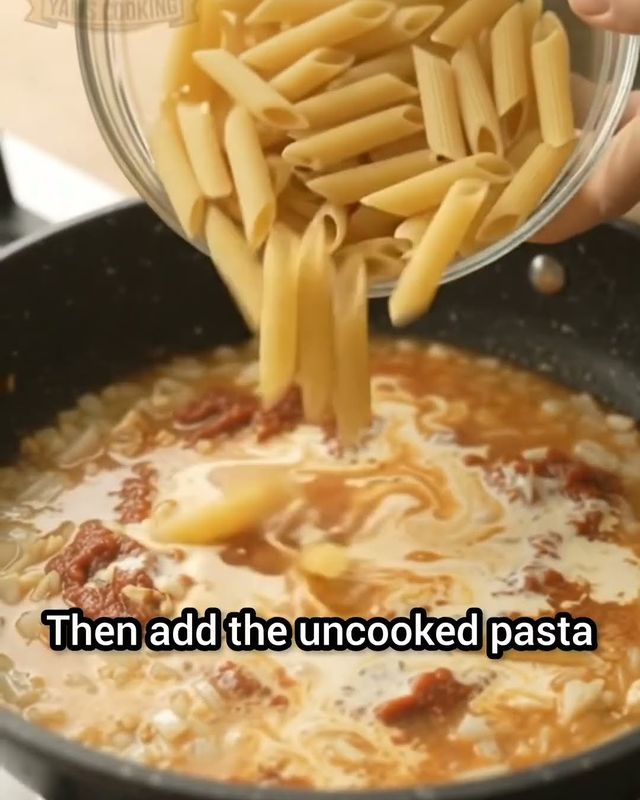
In both our pasta recipes the dry penne goes straight into the pan with broth and cream. It looks like a shortcut. It's actually a better sauce.
What the starch does
As pasta cooks it sheds starch into the liquid around it. In a big pot of water that starch is diluted and poured down the sink. In a skillet with just enough liquid to cook the pasta, the starch stays — and starch, once it swells and gelatinises above about 60 °C, thickens whatever it's in. That's why the sauce turns glossy and clings to the penne without any flour or cornflour. Restaurant cooks do the same thing when they finish pasta in the sauce with a splash of "pasta water".
The ratio
For 250–340 g of penne you want roughly 2½–3 cups of liquid (broth plus cream). Too little and the pasta at the top stays chalky; too much and you're boiling pasta in soup. Keep it at a lively simmer, uncovered, and stir every minute or two — the stirring stops the pasta sticking and keeps releasing starch into the sauce.
Cream goes in early, cheese goes in last
Cream can simmer without splitting, so it can cook with the pasta. Cheese can't. Parmesan and cheddar contain proteins that seize and turn grainy if they boil. Take the pan off the heat, then stir the cheese in, and it melts into a smooth emulsion.
Timing tells
- Pasta should be just tender with a little liquid left — it keeps absorbing as it sits.
- If the sauce tightens too much, loosen with a splash of hot broth, not cold milk.
- Lemon at the end (as in the Cajun version) cuts through the richness without thinning it.
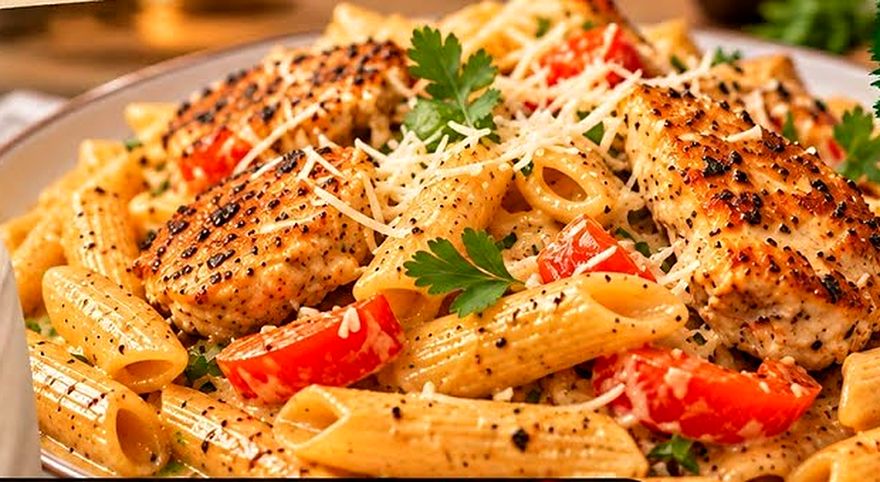
Two recipes that use this: Chicken Cheese Pasta and Creamy Cajun Chicken Pasta.